How Long Are Dogs In Heat: Dog Heat Cycle Duration & Signs
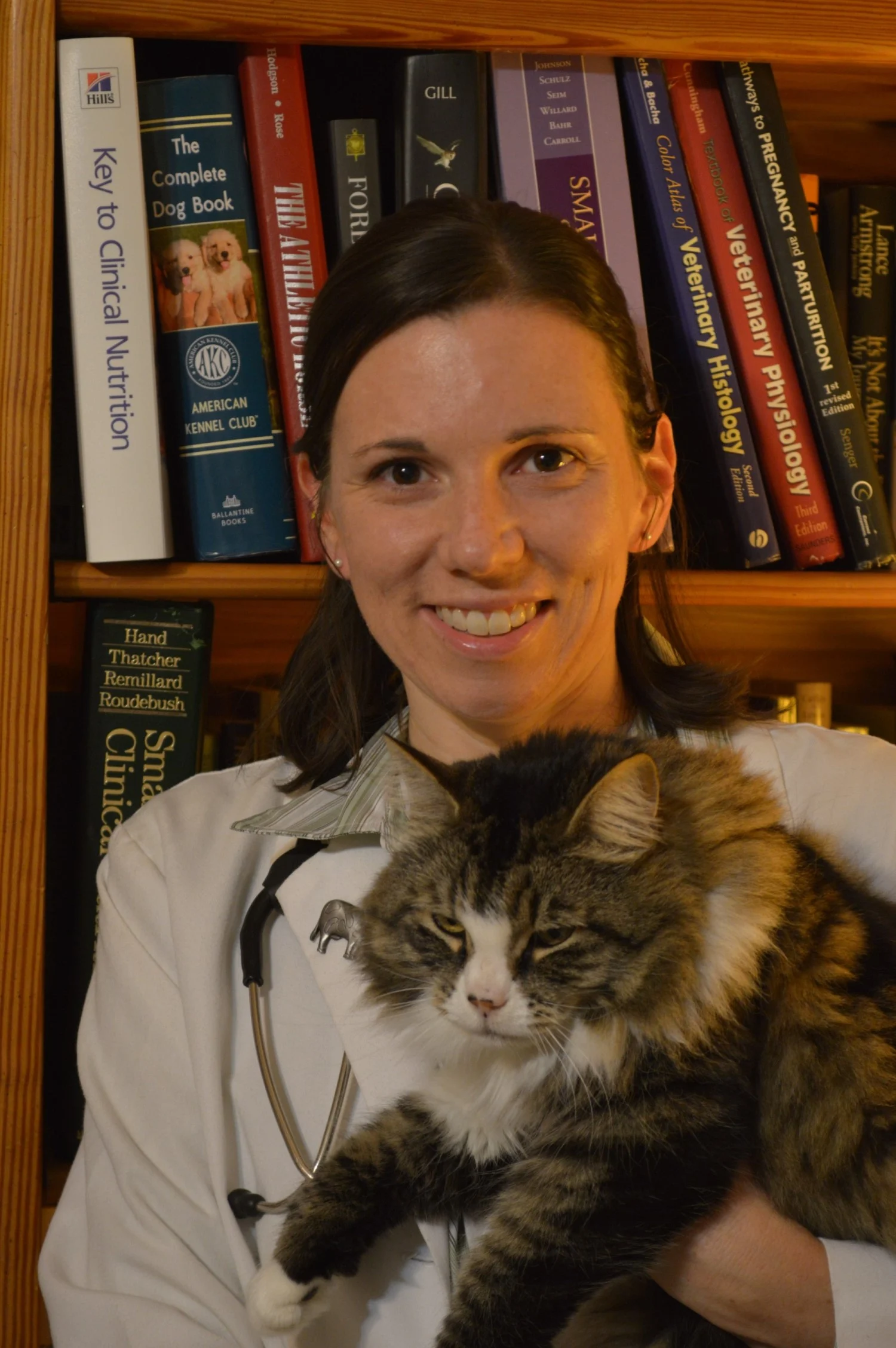
Written by Chyrle Bonk DVM
Updated Nov 4, 2026
Main Takeaways
Is your dog in heat? Knowing what signs to look for can help you understand what's happening and how to care for her. From changes in behavior to physical symptoms like swelling and discharge, recognizing the signs of a dog in heat can help you prepare for her heat cycle, keep her comfortable, and prevent an unwanted pregnancy.
What Is the Dog Heat Cycle?
The dog heat cycle isn’t when a dog is overheating; instead, it refers to the reproductive cycle of an unspayed female dog. The heat cycle, or estrous cycle, starts when a female dog reaches sexual maturity and becomes capable of getting pregnant. Her body goes through a variety of hormone-driven changes that affect her both physically and behaviorally. Understanding your dog’s heat cycle is key to timing planned breedings as well as preventing unwanted pregnancies.
Dog Heat Cycle Stages
The estrous cycle isn’t a one-and-done kind of show. Instead, it’s a four-stage cycle consisting of proestrus, estrus, diestrus, and anestrus that repeats throughout a dog’s lifetime if she remains intact. Each stage has its own distinct features and signs that can help clue you in to what’s going on with your furry friend.
Proestrus (6-11 days)
This is where the hormones start to build with an influx of estrogen, causing the external genitalia to swell, pinkish to reddish vaginal discharge, and growing interest from male dogs . You may also notice her becoming a little more clingy or affectionate towards you.
Estrus (1-21 days, 9 days average)
This is maybe the most important stage of the estrous cycle. The shift from high levels of estrogen to increasing levels of progesterone brings on sexual receptivity during the estrus phase. This is where she becomes receptive to males and is capable of becoming pregnant. Look for vaginal discharge to turn from reddish to straw-yellow, genital swelling to decrease, and for her to actively seek males or readily accept their company.
Diestrus (60-90 days)
The main activity is over, but progesterone levels remain high whether a dog is pregnant or not. High levels of progesterone allow a dog to support a pregnancy or ward off another heat cycle. During this time, discharge stops, genital swelling goes down, and behaviors return to normal. With the high levels of progesterone, some dogs may go through a false or pseudopregnancy, where their body actually thinks they are pregnant. Dogs with a pseudopregnancy may even go as far as producing milk and nesting!
Anestrus (4-5 months)
The true resting phase, anestrus is when both estrogen and progesterone levels are low, there are no signs of heat and no sexual receptivity until the next proestrus period starts in four-five months.
Symptoms of a Dog in Heat
We already mentioned some of the telltale ways that you’ll know your dog is in heat, but let’s break those symptoms down a little more.
Swollen vulva: During the proestrus phase, you may notice an increase in the size of your dog’s external genitalia. This swelling of the vulva is due to the increase of estrogen that ups the blood flow to the reproductive tract in preparation for mating. Swelling typically lasts 2-4 weeks.
Bloody discharge: Estrogen also causes the uterine lining to thicken, producing some bloody discharge. All this is in preparation for pregnancy and lasts about seven-10 days. As your dog nears the 10-day mark, you may notice that discharge turns from reddish-pink to yellow.
Excessive grooming or licking: Dogs may increase licking or grooming of their genital area while in heat in order to clear discharge and maintain proper hygiene.
Increased urination: Your female dog may start peeing small amounts more frequently, similar to a male dog marking. They are trying to spread their scent and pheromones around to attract a potential mate.
Excessive licking and frequent urination: May be a sign of a urinary tract infection as well, so see your vet if your dog also has smelly, cloudy, or bloody urine.
Changes in appetite and energy: You may notice a decrease in appetite and an increase in restlessness that may show up as pacing, whining, or not being able to get comfortable.
Behavior changes during heat: Dogs may become more clingy or more standoffish during heat as their body ramps up for reproduction. They may also become more irritable or even aggressive, so use caution when around them. As your pup passes into the estrus phase, look for her to become increasingly friendly towards male dogs.
Do Dogs Get Diarrhea in Heat?
Diarrhea during heat isn’t a normal sign. A loose stool here or there during dog heat may be a result of extra treats, stress, or another underlying condition rather than the heat cycle itself. If your dog is experiencing severe diarrhea, dehydration, vomiting, or stomach pain, whether in heat or not, see your veterinarian.
When Do Dogs Go into Heat for the First Time?
A dog’s first heat cycle is determined largely by breed and genetics. Most pups reach sexual maturity, and therefore, have their first heat cycle, between six and 24 months of age.
Small breed dogs will typically have their first heat around six months old.
Medium breeds may have their first heat cycle at 7-9 months old.
Large breeds may go into heat for the first time at 12-18 months old.
Giant breeds may not start their heat cycle until 18-24 months of age.
It’s important to remember that a dog can get pregnant during her first heat cycle. It’s recommended to wait to breed a dog until after she has reached full maturity, which typically occurs later than sexual maturity, and to take preventative measures for every heat cycle if you don’t want a pregnancy.
How Often Do Dogs Go into Heat?
Most dogs will have about two heat cycles per year, around six months apart. There may be some variation based on size, with smaller dogs potentially cycling three times per year and larger dogs leaning more towards once a year. Some breeds, mainly Basenjis or Tibetan Mastiffs, only cycle once per year.
How Long Does a Dog Stay in Heat?
A dog typically stays in heat for 10-21 days, which includes the proestrus and estrus phases of her heat cycle. Diestrus and anestrus aren’t considered being in heat. During this time, you’ll notice vaginal discharge, swelling of the vulva, and behavioral changes.
How Long Does Bleeding Last When a Dog Is in Heat?
Bloody vaginal discharge starts in the proestrus phase and then starts to taper off as she enters the estrus phase. Expect some bloody discharge for 7-10 days, but it can last as long as 14 days. As your dog enters estrus, the discharge may become yellowish or clear and continue for another 5-10 days.
When Can a Dog Get Pregnant During Heat?
Pregnancy can occur during the estrus phase. You’ll notice vaginal discharge will turn from reddish to yellow and she will be friendlier towards males. However, these signs alone can’t tell you exactly when your dog is fertile, so it’s best to keep her separated from intact male dogs throughout her heat cycle to prevent an unwanted pregnancy.
What to Do When Your Dog Is in Heat
Your dog’s body is going to do what it’s going to do during her estrous cycle, but that doesn’t mean you can’t make things more comfortable and safer for her.
Keep Your Dog Away from Male Dogs
Though she’s only able to become pregnant during estrus, it can be difficult to know exactly when she is fertile. To prevent an unwanted pregnancy, keep your dog away from intact male dogs throughout her entire heat cycle.
Use Dog Diapers for Bleeding or Discharge
Most dogs will only spot blood when they sit or lie down, while others won’t even let on that anything is happening through regular grooming. If you want to keep the mess to a minimum and ensure proper hygiene around your home, try doggie diapers. Just make sure to get a proper fit and change them often. Keep in mind that doggie diapers don’t prevent mating or pregnancy, so you’ll still need to keep your dog away from intact male dogs.
Avoid Dog Parks and Daycare
Make your dog’s exposure to male dogs as minimal as possible by avoiding high-traffic areas like dog parks or daycare. Your dog may appreciate a little alone time as she navigates her hormonal roller coaster as well.
Keep Walks Leashed and Outside Time Supervised
Females can be very determined and will try to get to males at all costs, so use extra caution when outside or when opening the door to prevent escapes. Keep her leashed when on walks and avoid unsupervised time outdoors.
When to Call the Vet During or After Your Dog’s Heat Cycle
Most dog heat cycles are going to go off without a hitch, especially if you’re prepared, but there are times when you may need to enlist the help of a veterinarian.
Excessive bleeding or discharge: Vaginal bleeding really should be minimal with a little spotting when she sits or lies down. Contact your veterinarian if the bleeding seems excessive or the discharge has a foul odor or unusual color.
Diarrhea, vomiting, or lethargy: A loose stool here and there isn’t typically a big deal, but full-blown diarrhea, especially with vomiting and lethargy might be.
Signs of pyometra after heat: A uterine infection, or pyometra, is a possibility following heat. Signs include vaginal discharge, lethargy, not eating, vomiting, abdominal pain, weakness, and fever. Pyometra is serious and potentially life-threatening, so seek veterinary care immediately if your dog is showing these signs.
When to Spay Your Dog
Spaying your dog is the only surefire way to prevent unwanted pregnancies. It also eliminates the risk of uterine and ovarian cancer and can reduce the risk of mammary cancer. Spaying also puts a stop to your dog’s heat cycle so that you don’t have to worry about navigating it every six months. So, when should you spay your dog? The best time to spay a dog is going to depend on the breed and any concurrent health conditions. Generally speaking, spaying should happen:
Small dogs: between six-nine months of age
Medium dogs: between six-12 months
Large dogs: between 12-18 months
Giant dogs: between 12-24 months of age
Why the variation? A study published in Frontiers in Veterinary Science has shown that numerous breeds benefit from delaying spaying until a dog reaches their mature growth. This may help prevent certain cancers and joint disorders. On the other hand, small breeds may be spayed sooner to avoid pyometras and help reduce mammary cancer. Talk to your veterinarian about your dog’s specific needs and when it is best to spay them.
Should You Spay Your Dog Before or After Heat?
Whether to spay your dog before or after a heat cycle depends on your dog’s individual needs and your veterinarian’s recommendation. You just don’t want to spay them while in heat. Spaying during heat can increase bleeding and make the surgery more complicated, so veterinarians may recommend waiting until the heat cycle has ended.
How Much Does It Cost to Spay a Dog?
How much to spay a dog is typically more than how much to neuter a dog. Spaying is a much more involved procedure that requires more surgical time and anesthetic time and surgical supplies. It’s a once-in-a-lifetime procedure, but it can be costly. Expect to pay $100-$750, depending on your dog’s size and location.
Can Pet Insurance Help with Health Issues Related to a Dog’s Heat Cycle?
Yes. Pet insurance, including a dog insurance policy with Embrace, can help cover unexpected illnesses related to your dog’s reproductive health, including mammary cancer. However, there are some important limitations to keep in mind. Most pet insurers exclude costs related to breeding, pregnancy, and birth because they’re considered planned rather than unexpected expenses. For expected costs of pet care, consider looking into a routine care plan, which can help you budget for expenses like annual wellness exams and spaying.
FAQs
Heat is something reserved only for females. It refers to the estrous cycle where a female becomes receptive to male dogs and capable of becoming pregnant.
Written by
Chyrle Bonk has been practicing veterinary medicine since 2010. Along with that, she fills her time writing veterinary content as a way to reach more pet owners than just those that come into the clinic. When not working, Dr. Bonk loves spending time with her family and critters somewhere outdoors.

Let’s get your pet covered
Call or click to get a quote